
Snow-Clearing Robot Acceptance: Documenting Ice and Route Boundaries
Clearing width and battery life are only a starting point. Wet snow, compacted snow, ice and slopes change both traction and clearing conditions; document the site and operational limits in a pilot plan.
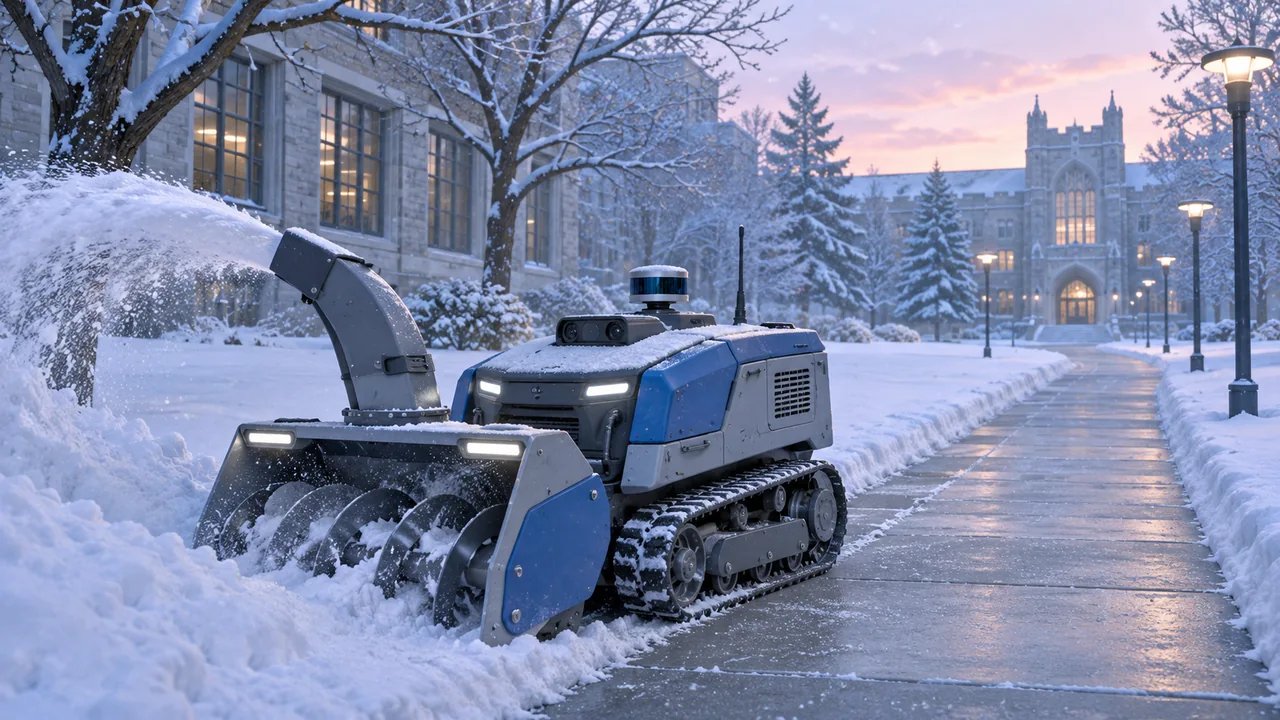
Record snow and surface separately
Record snow condition and depth, surface material, slope and obstacle locations. A successful dry, level-ground trial does not establish suitability on an icy slope; ask the supplier to confirm the equipment limits.
Define the route and exclusions
Mark the route, pedestrian crossings, steps, drains and snow storage areas, including hazards that snow may obscure. Arrange manual or alternative treatment for excluded areas: completing a route is not proof that the entire site is safe.
Check clearing and walkability separately
Record residual snow, slippery surfaces, any follow-up deicing and human interventions. OSHA winter-weather guidance addresses timely snow and ice removal and slip prevention; apply local requirements and the actual site plan.
Plan stops and handover
Include cold-weather runtime, blockage, obscured sensors, communications loss and charging in the exception plan. Follow the equipment maker’s shutdown and isolation instructions before clearing or servicing it. Record conditions, route, failures and responsibility for retesting.
Sources and application limits
These public references provide background; use the documentation for the actual equipment and applicable local requirements: